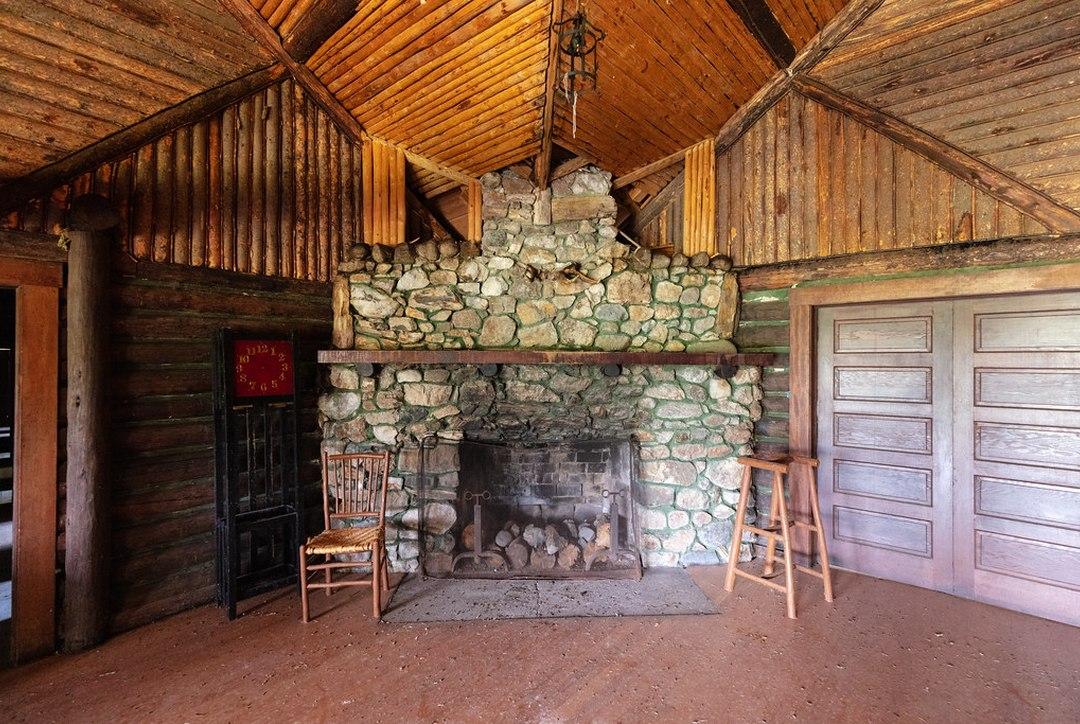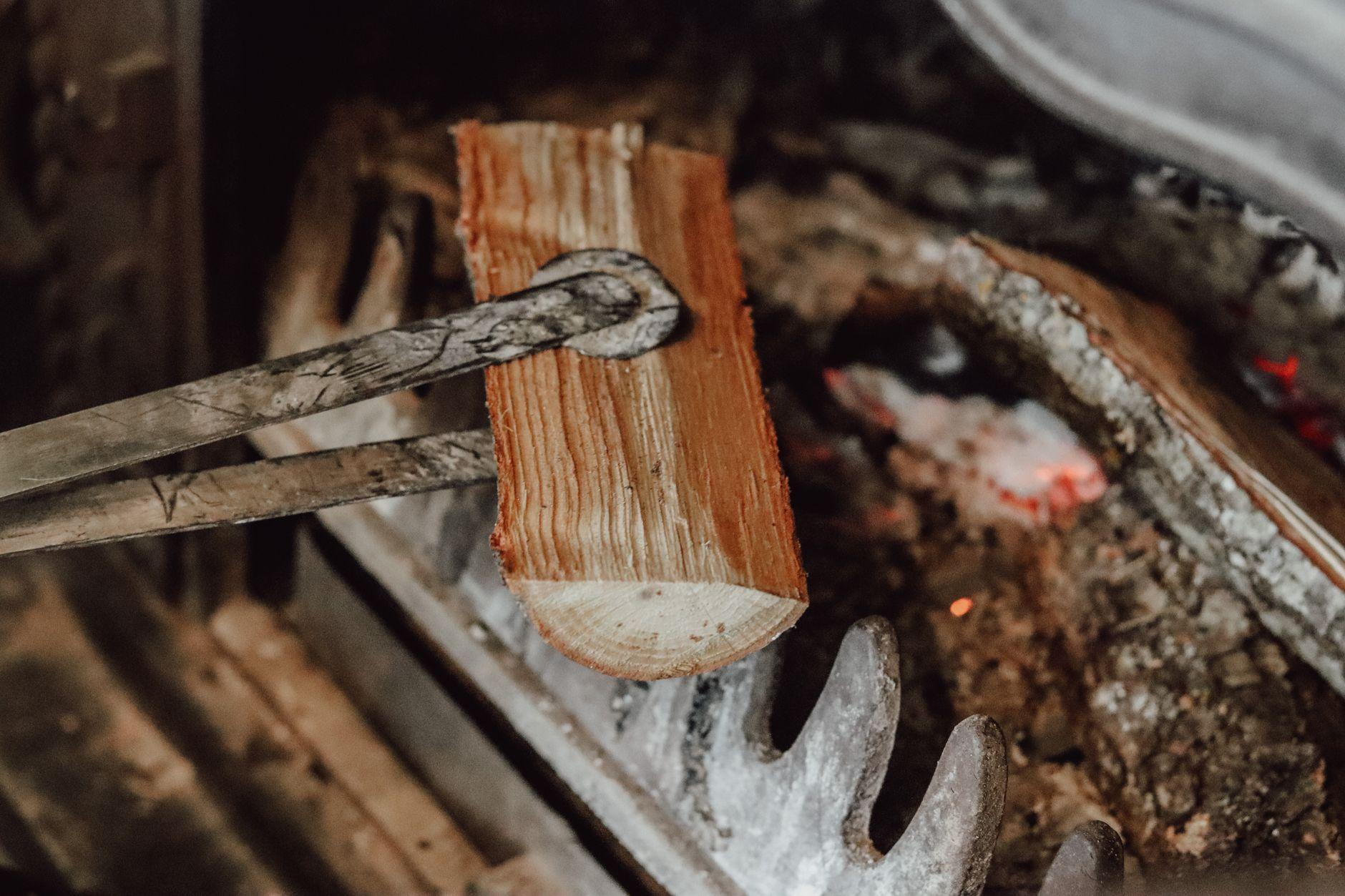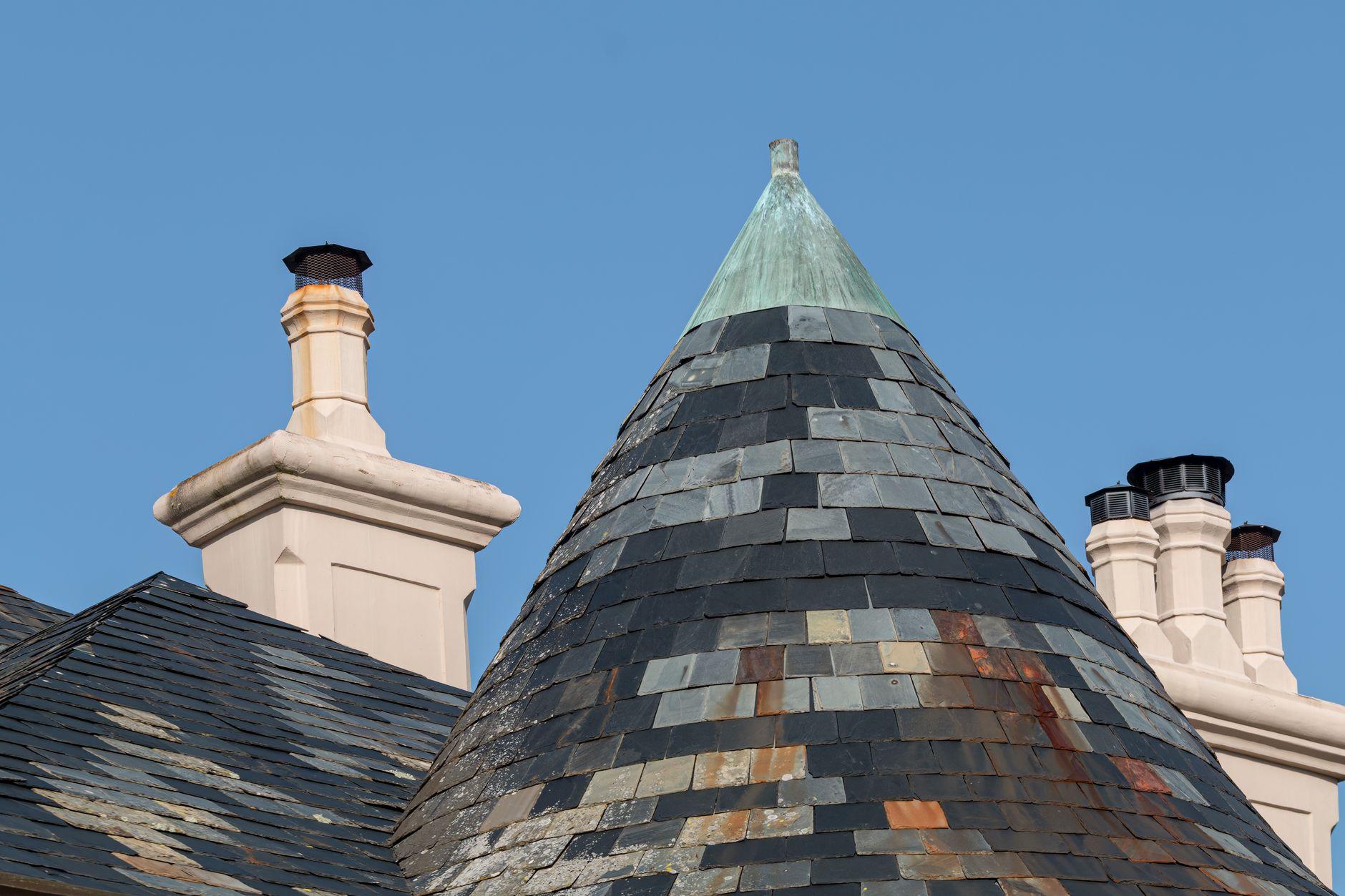
A stove is only as good as the pipe that carries its smoke away. In most Mission Viejo masonry chimneys, that pipe was built for an open fireplace: a wide clay flue sized for a big, lazy fire. Put a modern wood stove or insert under it and the smoke slows down, cools off and sticks to the walls. A stainless steel liner sized to the stove fixes that, and it is the most common piece of work we add to a stove install. Here is what goes into our written quote for a liner, and why the figures differ from one chimney to the next.
When a stove needs a liner
We recommend a liner, and in most cases the stove maker requires one, when:
- a wood stove or insert goes into an existing masonry fireplace;
- the clay tile is cracked, has open joints or shows fire damage on the camera;
- the existing flue is far larger than the stove's outlet;
- the chimney has no tile at all, which turns up in some older brick chimneys;
- you are changing fuel, for example from wood to pellets or gas, and the new appliance needs a different flue.
A sound, correctly sized clay flue can sometimes stay in service over a freestanding stove. The camera decides that, not a guess.
What the liner itself is
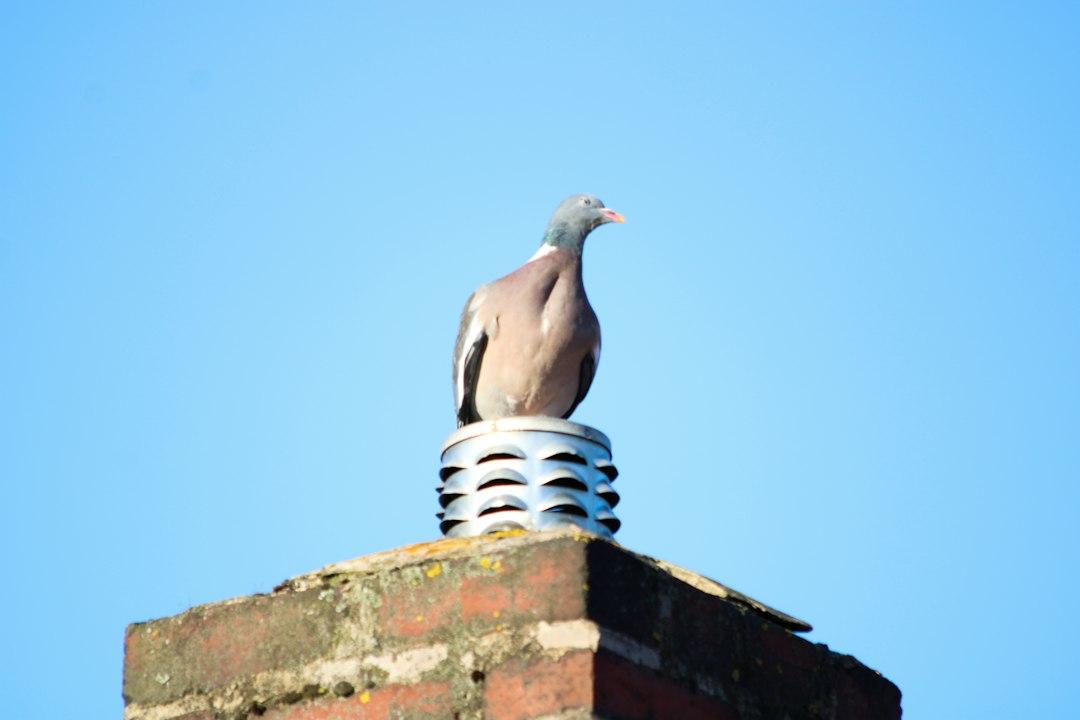
For wood heat we use a stainless steel liner rated for solid fuel: smooth rigid pipe for straight chimneys, or flexible pipe for flues with a bend. It runs the full height of the chimney from the stove to a cap at the top. Around it, depending on the chimney and the stove's listing, goes a wrap of insulation or nothing at all. At the top, a plate closes off the old flue around the new pipe so weather and drafts stay out of the space between.
The point of all this is simple. Smoke that stays hot all the way up draws well and leaves less creosote behind. A burner who runs the stove every evening will see it in lighter sweep notes.
What changes the price of a liner
There is no liner price on our published list, because chimneys vary too much. Every liner job gets a written quote. The parts of the job that move it:
- How tall the run is. Liner is sold by length, and a two-story chimney takes twice the pipe of a one-story one.
- Rigid or flexible. A straight chimney can take rigid pipe. A flue with an offset needs flexible liner.
- Insulation. Whether the stove's listing and the clearances to framing call for an insulated liner, and how much room there is in the flue for it.
- Getting it down. Tight or offset flues, or a smoke chamber that narrows sharply, can mean opening up the throat so the liner and its connector fit.
- The top of the chimney. A cracked crown or a missing cap usually gets dealt with in the same visit, since we are already on the roof.
- The stove connection. An insert connects directly. A freestanding stove needs a connector pipe and a fitting where it meets the chimney.
Getting a written liner quote
The quickest way to a real figure is to let us see the chimney. Tell us what stove or insert you have or plan to buy, whether the house is one or two stories, and what the chimney looks like from the yard: brick or stucco, one flue or two, cap or no cap. Send that here. We set up a Level 2 inspection, $380, which shows us the flue size, the state of the tile and how the liner will have to travel. Your written quote follows from that, with the liner, the insulation, the top plate and cap, and any repair each priced on its own line.
What the quote leaves you deciding
Most liner quotes we write hold one firm item and one or two choices:
- The liner itself, sized to the stove. This is the job.
- A cap. If the chimney has none, or the old one does not fit over a liner, a new cap goes on. We measure the chimney top first and price the cap from its size.
- Crown work. If the crown is cracked, we price it next to the liner so you can decide whether to fix it while we are up there.
We do not bundle these into one figure. You see each and choose.
Liners after a chimney fire
Owners who burn a lot sometimes learn from us that their chimney had a fire at some point. Glazed, cracked or pushed-out tile is the sign. A liner is often the way back to a usable chimney, because it puts a new, sound path for the smoke inside the old one. We show you the video and the damage before we talk about anything else, and if your insurer is involved, the findings and the stills go to whoever you name.
Brick chimneys and framed chases
Not every chimney in south Orange County is solid masonry. Many houses from the 1970s and 1980s have a wood-framed chase clad in stucco with a metal flue inside, built around a factory fireplace. Those are not relined the way a brick stack is; the fix depends on what the fireplace maker lists for that unit. On a true masonry chimney, a liner is the standard answer for a stove. We tell you which kind you have at the first visit, before any figure is written.
Sweeping a lined chimney
A smooth stainless liner is easier to sweep than old tile and tends to collect less. The yearly sweep still matters for a stove that runs all winter. Our sweep starts from $405, and we write down what came out each time so you can see the liner doing its work.
Adding a stove, or did a camera find cracked tile? Our contact page is the way in for a liner quote.
Would You Rather We Looked at It?
Reading helps, but a stove shows its wear up close. Crockett Chimney Solutions works out of Mission Viejo on wood stoves, pellet stoves and the flues above them, and every repair is priced in writing before we start.