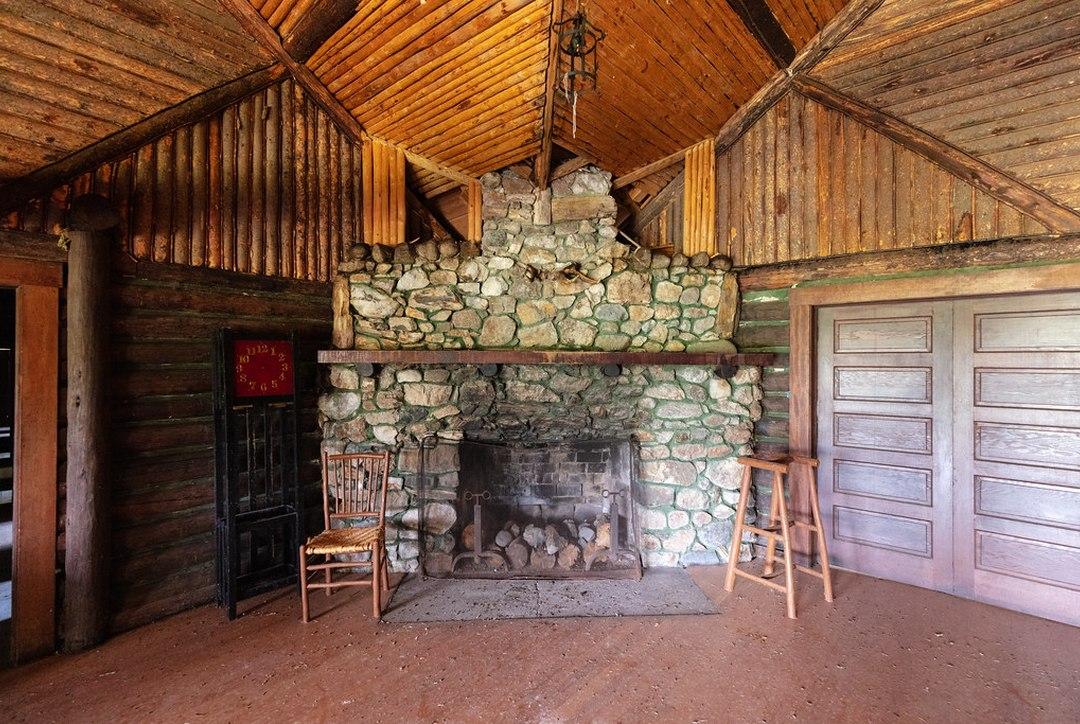
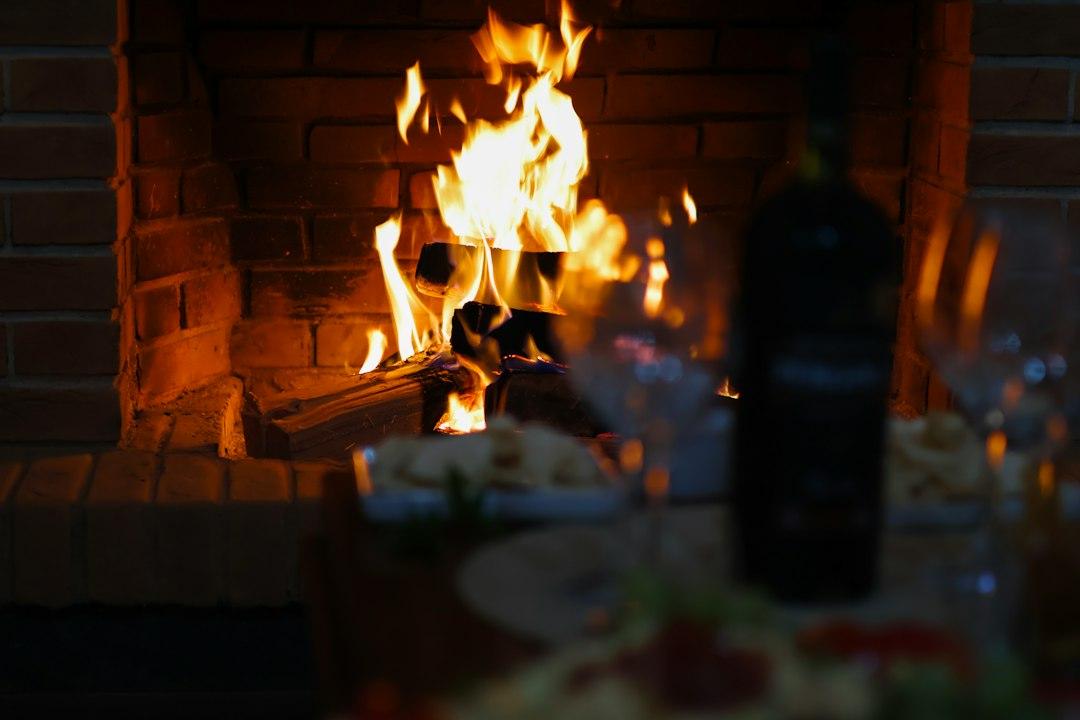
If you own a house in Mission Viejo with an open masonry fireplace, you already know its main trait: it looks great and heats the room badly. Most of the warm air goes up the flue, and on a cold night the rest of the house can feel cooler with the fire lit than without it. An insert fixes that. The question our customers who like real fire ask most often is whether to go wood or gas. Here is how the two compare from where we stand, as the people who install, sweep and repair both.
Side by side
| Point | Wood insert | Gas insert |
|---|---|---|
| Heat | Strong, and it keeps heating in a power cut | Strong and steady, set from a remote or thermostat |
| Fuel | Split, dry wood you buy, stack and carry | Natural gas from the house line |
| Yearly care | Sweep, door seals, ash | Service of burner, pilot and glass |
| Burn ban days | Must sit cold | Can still run |
| Feel | Crackle, smell, a fire you tend | Flame on a switch, no ash |
| Our price | Written quote once you choose a unit | $2,700 to $5,400 installed |
What a wood insert gives you
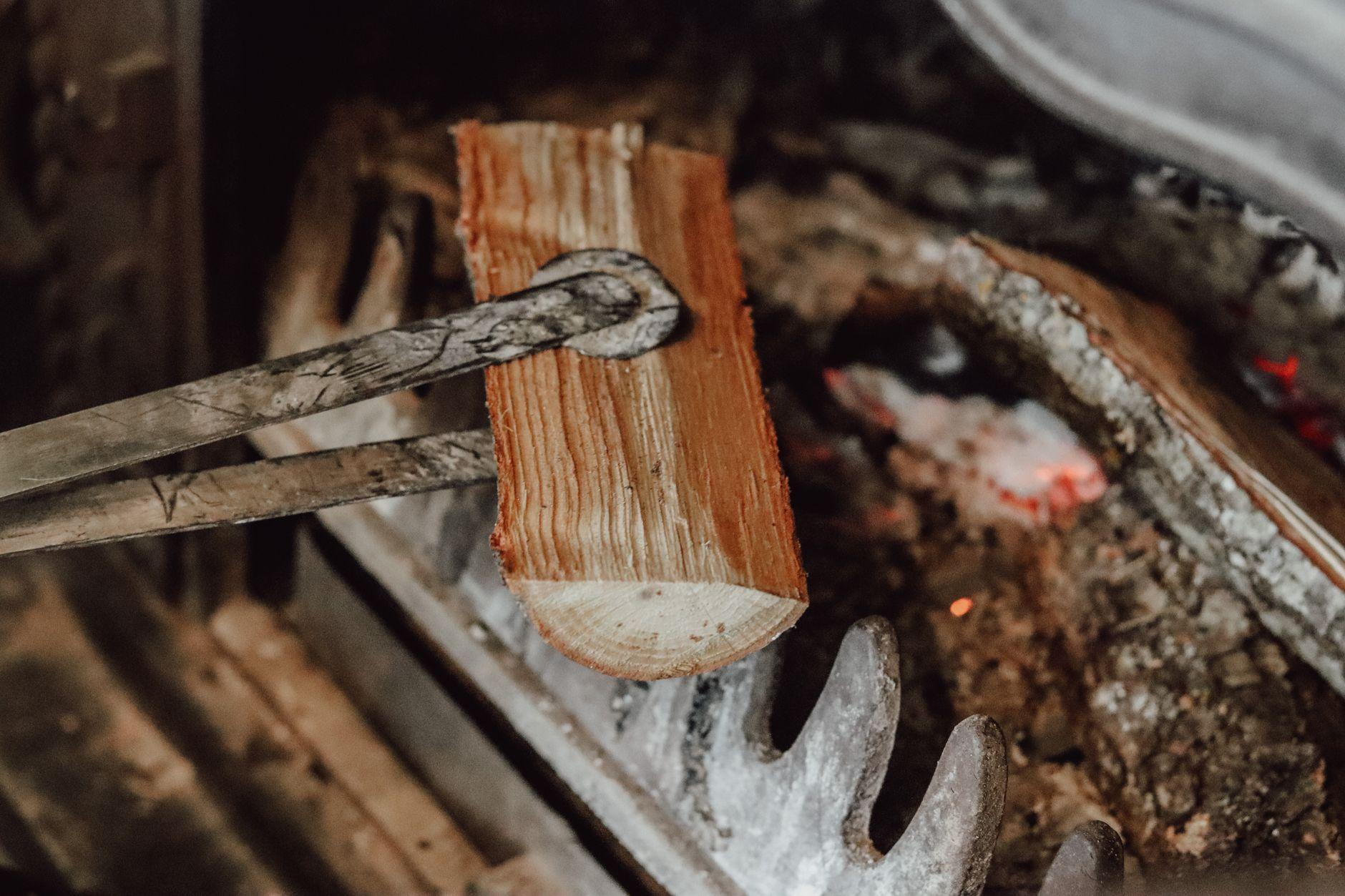
A wood insert is a steel or cast iron stove built to slide into the fireplace opening, with a surround that covers the gap and a stainless liner from its collar to the top of the chimney. It burns far more efficiently than the open fire did, and it keeps the crackle, the smell and the ritual of loading wood that our burners are not willing to give up.
It also keeps the work. Somebody has to buy or split wood, keep it dry under cover, carry it in, empty ash and book a sweep every year. A well-run insert on dry wood leaves light deposits. A choked-down insert on green wood leaves the hard glaze that turns a sweep into a bigger job.
The other cost is the air district. Mission Viejo falls under the South Coast air district, and on winter days with poor air it can ban wood burning under Rule 445. A wood insert sits cold on those days; a gas insert can still run. Households that rely on wood for heat feel that more than households that burn for pleasure.
What a gas insert gives you
A gas insert is a sealed firebox with a burner and ceramic logs behind a glass front, vented through the old flue by a liner that both feeds outside air in and carries exhaust out. It lights from a switch or a remote, holds a temperature and leaves no ash. Upkeep is a yearly service of the burner, the pilot and ignition, the glass and the vent.
What you give up is the fire you tend. No wood smell, no logs to split, no crackle. For people who burn because they love it, that matters. For people who mainly want a warm family room, it usually does not.
How the two are priced
Our gas insert range, installed, is $2,700 to $5,400. Where a job lands in that range depends on the size and output of the unit, the surround you pick, how tall the flue runs and if there is gas piped to the firebox yet. Running new gas to the fireplace is a separate line when it is needed.
Wood inserts are not on our price list, because the range of units and surrounds is wide. You get a written figure once we have seen the fireplace and you have picked a unit.
On either path, the chimney gets looked at first. Changing what burns in a fireplace is one of the moments NFPA 211 points to its middle inspection level, a Level 2, which is $380 with us. The camera tells us whether the flue tile and the smoke chamber can take a liner as they are, or need work before the insert goes in. If the flue has been burned for years, a sweep comes first, from $405.
Asking for a quote on your fireplace
Tell us which way you are leaning, how you use the fireplace now and how you would like to use it, and whether there is gas anywhere near the room. Send that here, and we will come out to look at the fireplace and the chimney. You get a written quote for the insert, the liner and any chimney work the inspection turns up, each on its own line.
Questions we hear about each option
Will a wood insert heat the whole house? In a typical single-story Mission Viejo home with an open plan, a good insert can carry the main living area. Bedrooms down a hall stay cooler. A blower on the insert helps push the heat out.
Can I put gas logs in my wood insert later? No. A wood insert and a gas appliance are different units built for different fuel. You choose one for that fireplace.
Does a gas insert still need the chimney swept? If the fireplace burned wood before, the flue gets swept before the liner goes in. After that, the gas insert needs a yearly service rather than a sweep.
Which one helps more when we sell? Buyers vary. A working, recently serviced insert of either kind, with paperwork showing the Level 2 and the install, reads better in a sale than an open fireplace with no history.
Our view
We work with people who love wood heat, and we are glad to install wood inserts. If you burn most winter evenings, enjoy the work and can live with burn ban days, a wood insert gives more heat for the money. If the fireplace gets used now and then and you want warmth with no chores, gas is the easier life.
To begin with a look at your fireplace and the chimney above it, send a note through our contact page saying which fuel you are leaning toward.
Would You Rather We Looked at It?
Reading helps, but a stove shows its wear up close. Crockett Chimney Solutions works out of Mission Viejo on wood stoves, pellet stoves and the flues above them, and every repair is priced in writing before we start.